

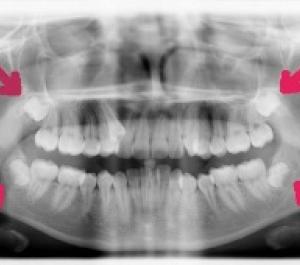
Not every wisdom tooth needs to come out. If yours are causing problems, our dentists can assess them and remove them where it is needed.
Why remove a wisdom tooth?
Your dentist may recommend removal if a wisdom tooth:
- is painful or repeatedly infected
- has decay, or is causing decay in the tooth next to it
- has only partly come through, or is stuck (impacted)
- is damaging nearby teeth or gums
What happens?
- Assessment. Your dentist examines your mouth and takes x-rays, then explains the options and the risks.
- Comfort. The area is numbed with local anaesthetic. Oral or IV sedation can be discussed if you are nervous.
- Removal. The tooth is taken out. Some teeth are removed in pieces.
- Aftercare. You will get written advice on looking after the area. Swelling, some bleeding and soreness are common in the first days.
Surgical extractions at The Terrace
Our The Terrace clinic has a dedicated surgical room, used for surgical extractions and implant treatment. If a case is complex, we may refer you to an oral surgeon.
Risks
Risks of wisdom tooth removal include infection, a painful dry socket, bleeding and swelling. Teeth in the lower jaw sit near a nerve, and can cause numbness that is usually temporary. Upper teeth are close to the sinus. Your dentist will explain the risks that apply to you.
Common questions
How long will I need to recover?
Many people feel better within a few days, but it varies. Your dentist will tell you what to expect and when to contact the clinic.
Book an assessment
Tell us which clinic suits you and what you would like to talk about. The clinic will get back to you to confirm a time. See costs and payment options before you come in.